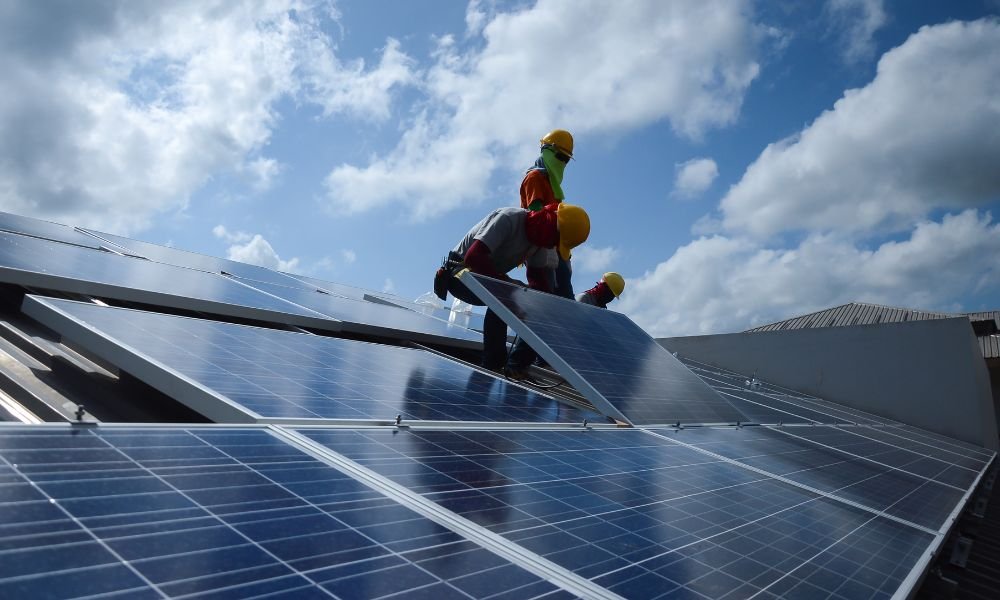
The hum of a solar generator represents more than just clean power; it signals self-reliance and preparedness. As global solar PV capacity continues its impressive climb, jumping 22% in 2024 alone, more homes, businesses, and adventurers are harnessing the sun. But with great power comes great responsibility. Ensuring safety best practices for solar generators isn't just a recommendation—it's paramount for protecting your investment, your property, and most importantly, yourself and your loved ones. This isn't about fear-mongering; it's about empowerment through knowledge, allowing you to enjoy the full benefits of solar energy securely and confidently.
At a Glance: Essential Solar Generator Safety
- Choose Wisely: Prioritize generators with built-in safety features like overload, short-circuit, and low-voltage protection.
- Read the Manual: Your user manual is your primary safety guide—understand it thoroughly before operation.
- Stable Footing: Always set up your generator on firm, level ground, away from flammable materials and high-traffic areas.
- Ventilation is Key: Ensure proper airflow around your generator to prevent overheating.
- Mind the Load: Never exceed your generator's maximum power output.
- Battery Care: Handle batteries with PPE, charge in well-ventilated areas, and use compatible chargers.
- Regular Checks: Inspect wiring, cables, panels, and structural components regularly for wear or damage.
- Emergency Plan: Keep a suitable fire extinguisher nearby and know your system's emergency shutdown procedure.
- Professional Help: Don't hesitate to consult experts for installation, complex maintenance, or troubleshooting abnormalities.
Built for Battle: Understanding Your Generator's Intrinsic Safety Features
Modern solar generators, especially mobile units, are engineered with a suite of sophisticated safety features designed to anticipate and mitigate risks. These aren't mere add-ons; they're foundational elements that determine a unit's resilience and reliability. Understanding them empowers you to choose a safer product and operate it more intelligently.
1. Grounded Stability: The Low Centre of Gravity
Imagine a tall, narrow ladder versus a squat, wide box. Which is more likely to tip over? Solar generators, particularly those designed for mobile deployment, integrate a low center of gravity. This crucial design choice means the bulk of the unit's weight is positioned as close to the ground as possible.
- Why it Matters: On unpaved, sloped, or unstable terrains—common scenarios for portable power—a low center of gravity dramatically reduces the risk of the unit toppling. This protects both the generator from damage and anyone nearby from injury. Always double-check that your unit is on as level a surface as possible, even with this feature.
2. Staying Put: Industrial-Grade Brakes
For generators equipped with wheels, the ability to lock them securely in place is non-negotiable. Quality mobile units feature industrial-grade brakes on all four wheels.
- Why it Matters: These robust brakes prevent unexpected movement, even on inclines or when subjected to external forces like strong winds or accidental bumps. Before operating, always engage these brakes fully to ensure your generator remains stationary.
3. Travel-Ready: Reinforced Locking Structures
Transporting a solar generator, especially one with integrated panels, exposes it to vibrations, jolts, and shifts. Reinforced locking structures are built into the design to secure solar modules and housing components.
- Why it Matters: During transit, these locks prevent damage from shifting, vibration, or impact, ensuring the integrity of the system so it's ready to perform upon arrival. Always verify all locking mechanisms are engaged before moving your unit.
4. Grip and Hold: Anti-Slip Technology & Multi-Layered Slide Prevention
Setting up a generator can sometimes involve slippery or uneven surfaces. Modern generators integrate multiple layers of slide prevention. This can include anti-slip tire textures, anchor-ready frames for securing the unit to the ground, and precision weight balancing that inherently resists accidental sliding.
- Why it Matters: This technology significantly reduces the chance of the unit sliding unexpectedly during setup, operation, or even when subjected to minor disturbances, enhancing overall site safety.
5. Defying the Elements: Environmental Resistance
Your solar generator isn't meant to live in a pristine lab. It needs to perform outdoors. Built-in environmental resistance ensures continuous, safe operation in various conditions.
- IP-Rated Enclosures: These provide protection against dust and water ingress (e.g., IP65 means it's dust-tight and protected against water jets).
- Wind-Resistant Structural Design: Helps the unit withstand gusts without tipping or components breaking.
- Temperature Sensors: Crucial for battery safety, these sensors monitor internal temperatures and can trigger automatic shutdowns if conditions become unsafe due to extreme heat or cold.
- Why it Matters: These features mean your generator can safely handle a range of weather conditions, minimizing the risk of electrical faults, overheating, or physical damage that could compromise safety. However, always respect manufacturer guidelines regarding extreme weather deployment, such as avoiding winds over 35 mph or torrential rain.
6. The Brains of the Operation: Smart Monitoring & Real-Time Safety Checks
Think of this as your generator's nervous system. Digital control panels with advanced diagnostics continuously monitor critical parameters.
- What it Monitors: Voltage levels, temperature fluctuations, ground faults (indicating an unintended electrical path to the ground), and battery integrity.
- How it Protects: If the system detects a threat—like an overload, short circuit, or critical temperature—it automatically shuts down or alerts the operator.
- Why it Matters: This real-time vigilance acts as a vital guardian, preventing potential hazards from escalating into dangerous situations. Pay attention to any alerts and consult your manual or a professional if warnings persist.
From Unboxing to Powering Up: Safe Setup and Installation
The initial steps you take with your solar generator are critical for both its efficiency and, more importantly, your safety. Don't rush this stage.
Professional Installation: The Gold Standard
While smaller, portable solar generators are often plug-and-play, larger or more complex systems benefit immensely from professional installation.
- Optimal Panel Placement: Experts can determine the best orientation and tilt for your solar panels to maximize sunlight exposure while avoiding persistent shading from trees or buildings. This isn't just about efficiency; it's about preventing uneven heating that can stress panels.
- Correct Electrical Connections: Ensuring all wiring is correctly routed, secured, and properly insulated prevents electrical hazards, short circuits, and potential fires.
- Proper Grounding: Grounding the system according to local electrical codes is essential to protect against electrical surges and lightning strikes, diverting dangerous currents safely into the earth.
- Actionable Advice: For any system beyond a basic all-in-one portable unit, consider hiring a certified electrician or solar installer. This upfront investment ensures your system is compliant, efficient, and, most importantly, safe from day one.
Choosing the Right Spot: Placement for Safety and Performance
Even if you're setting up a mobile unit, where you place it matters.
- Stable Ground: Always position your generator on stable, level ground. Avoid soft soil, loose gravel, or steep inclines that could cause the unit to shift or tip.
- Ventilation: Solar generators, especially their inverters and batteries, generate heat. Ensure ample airflow around the unit to dissipate this heat and prevent overheating. Never enclose it in a tight space or cover vents.
- Clearance from Flammables: Keep the generator far away from flammable materials like dry leaves, gasoline cans, propane tanks, or highly combustible structures. A safe distance is typically several feet, but check your manual for specific recommendations.
- Avoid High-Traffic Zones: Place the generator where it won't be a tripping hazard or easily bumped by people, vehicles, or pets. This reduces the risk of accidental damage or injury.
- Protect from Moisture: While many units are weather-resistant, extreme rain and prolonged moisture exposure can still pose risks. Use weatherproof enclosures or tarps designed for generator use if necessary, ensuring ventilation is not compromised.
The Daily Rundown: Operating Your Solar Generator Safely
Once set up, safe operation becomes a routine—a series of mindful actions that prevent problems before they start.
Your Guidebook: The User Manual
This cannot be stressed enough: Thoroughly read and understand your user manual. It contains specific safety warnings, operating procedures, maintenance schedules, and emergency shutdown instructions unique to your model. Treat it as your primary reference guide.
Don't Overload: Understanding Power Limits
Every solar generator has a maximum power output. Exceeding this limit, even temporarily, can damage the inverter, batteries, and potentially trigger electrical fires.
- How to Avoid: Understand the power requirements (watts) of the appliances you plan to run. Sum them up and ensure the total remains well within your generator's continuous output capacity. If in doubt, run fewer devices or stagger their operation.
- The "Surge" Factor: Some appliances (like refrigerators or power tools) have a higher "starting wattage" or "surge wattage" for a few seconds when they first kick on. Ensure your generator's surge capacity can handle these brief spikes.
Keep it Clean: Panel Maintenance
Solar panels are remarkably durable, but their efficiency (and safety) can be compromised by dirt and debris.
- Regular Cleaning: Periodically clean solar panels with a soft cloth and mild, non-abrasive detergent. Avoid harsh chemicals or abrasive brushes that could scratch the panel surface.
- Safety First: When cleaning, ensure the generator is powered off and follow any specific lockout/tagout procedures if provided. Wear appropriate PPE, especially if working at height or on a large system.
Heart of the System: Battery Safety & Handling
The battery is the core of your solar generator, storing the energy that keeps your devices running. Battery issues can, however, be the most hazardous, making proper handling non-negotiable.
Protective Gear: Gloves and Eyewear
Batteries, especially lead-acid types, contain corrosive chemicals and can release gases during charging. Even lithium batteries, while safer, still pose risks if damaged.
- Always Wear: Protective gloves and eye protection (safety glasses or goggles) whenever you are inspecting, connecting, or disconnecting batteries.
Ventilation is Not Optional
When batteries charge, especially older chemistries, they can off-gas hydrogen, a highly flammable gas.
- Well-Ventilated Area: Ensure charging occurs in a well-ventilated area, away from any enclosed spaces where gases could accumulate. Never charge near open flames, sparks, or anything that could ignite hydrogen.
- Away from Flammables: Keep all flammable materials—papers, cloths, solvents—at a significant distance from charging batteries.
Charger Compatibility: A Strict Rule
Using the wrong charger can severely damage your battery, lead to overheating, or even cause a fire or explosion.
- Use Specific Chargers: Always use a charger that is specific to your battery type (e.g., lithium-ion, lead-acid, LiFePO4) and matches its voltage and amperage requirements. Consult your generator's manual for recommended chargers.
Storage and Replacement: Doing it Right
Proper battery storage and replacement procedures prevent degradation and hazards.
- Storage: If storing the generator long-term, ensure batteries are charged to the manufacturer's recommended storage level (often 50-80% for lithium-ion) and kept in a cool, dry place.
- Replacement: When replacing batteries, always disconnect the old ones correctly (typically negative first, then positive) and ensure replacements are compatible in type, voltage, and capacity. Mixing battery types or capacities within the same system can be dangerous.
Vigilance is Victory: Ongoing Maintenance for Peak Safety
Routine maintenance isn't just about efficiency; it's about proactively identifying and addressing potential safety hazards before they escalate.
Scheduled Inspections
Make routine checks a habit. Consider doing a quick visual check before each major use and a more thorough inspection monthly or quarterly.
- Wiring and Cables: Inspect all visible wiring and cables for fraying, cracks, kinks, or signs of rodent damage. Ensure connections are tight and corrosion-free. Loose connections can generate heat and sparks.
- Panel Fastenings: Check that all solar panel fastenings are secure. Loose panels can become wind hazards or suffer damage.
- Structural Integrity: For mobile units, inspect tires for proper inflation and wear, and ensure brakes, locks, and anchoring systems are functioning correctly.
- Replace Worn Parts: If you identify any worn, damaged, or corroded parts, replace them immediately with manufacturer-approved components before operating the unit again.
Environmental Limits: Heeding the Warnings
While generators have environmental resistance, there are limits.
- Wind Speed: Avoid deploying or operating your generator in winds over 35 mph, especially if it has large, exposed solar panels. High winds can cause units to tip, panels to detach, or structural damage.
- Torrential Rain: While IP-rated, prolonged exposure to torrential rain or standing water can still challenge even the most robust enclosures. If possible, bring units indoors or provide additional shelter during extreme downpours.
PPE for Maintenance
Just as with battery handling, always wear appropriate Personal Protective Equipment (PPE) when assembling, adjusting panels, or performing maintenance.
- Gloves and Eye Protection: Essential for protecting against cuts, electrical shocks, and chemical splashes.
When Things Go Wrong: Emergency Preparedness
Even with the best safety practices, emergencies can happen. Being prepared can make all the difference.
Fire Extinguisher: Your First Line of Defense
- Type: Keep a fire extinguisher suitable for electrical fires (Class C, or a multi-purpose ABC extinguisher) readily accessible near your solar generator.
- Training: Understand how to use it effectively.
- Small Fires Only: Remember, extinguishers are for small, incipient fires. If a fire grows rapidly or is unmanageable, evacuate and call emergency services.
Emergency Shutdown Procedures
- Know Your Manual: Your user manual will detail specific emergency shutdown procedures. This usually involves disconnecting loads, turning off the inverter, and then disconnecting the battery.
- Practice: Periodically review these steps so you can react quickly and calmly if an emergency arises.
Safety Training
Consider taking basic electrical safety or first aid training, especially if you operate a larger or more complex solar generator system. Knowing how to react to an electrical shock or a minor injury can be invaluable.
Smart Power, Smarter Protection: Advanced Safety Systems
Beyond the standard protections, some solar generators incorporate advanced features that elevate safety to the next level. These features offer additional layers of monitoring and automated response.
- Automatic Shutoff Systems: Many high-quality generators feature intelligent systems that automatically shut down power in response to detected hazards like severe overloading, short circuits, or critical overheating. This proactive measure prevents damage to the unit and mitigates fire risks.
- Solar Panel Tracking Systems: While increasing efficiency by optimizing sun exposure, tracking systems introduce moving parts. Ensure these systems are properly maintained, with regular checks on motors, gears, and sensors to prevent mechanical failures or unexpected movements that could pose a safety hazard.
- Battery Management Systems (BMS): A sophisticated BMS is crucial for lithium-ion batteries. It monitors and controls individual battery cells, managing charging and discharging to prevent overcharging, over-discharging, over-temperature, and short circuits. It balances cell voltage, significantly extending battery life and enhancing safety. Always ensure your lithium-based generator has a robust BMS.
Your Role in the Equation: User Responsibility
Ultimately, even the most technologically advanced solar generator relies on the user to operate it responsibly. Safety is a shared endeavor.
- Personal Protective Equipment (PPE): Never skip wearing gloves and eye protection when assembling, adjusting, or maintaining panels or battery components. This simple step can prevent serious injury.
- Stable Ground & Clear Zones: Always set up your generator on stable ground according to instructions and ensure the area around it is clear of flammable materials or high-traffic zones.
- Children and Pets: Keep your solar generator inaccessible to children and pets. Curious hands or paws can inadvertently cause damage or injury.
- Protect from Elements: Protect your generator from excessive rain and moisture using appropriate weatherproof enclosures when necessary.
- No Tampering: Resist the urge to tamper with or make unauthorized modifications to your system. Doing so voids warranties, bypasses safety features, and can create dangerous electrical hazards. Always consult a professional or the manufacturer for modifications or repairs.
- Responsible Disposal: When the time comes to dispose of old batteries, do so responsibly at certified recycling centers. Batteries contain hazardous materials that can harm the environment if not handled correctly.
- Eco-Friendly Cleaning: For panel cleaning, opt for eco-friendly cleaning agents to minimize environmental impact, especially if runoff enters storm drains or natural waterways.
Harnessing the power of the sun through a solar generator is a smart, sustainable choice. By adhering to these safety best practices, you ensure that your journey towards energy independence is not only efficient and reliable but also exceptionally secure. When it comes to something as vital as power, safety isn't a feature—it's the foundation. And if you're looking for robust, reliable options, you might want to Explore Patriot Solar Generators and their commitment to safe, portable power solutions.